The Best Time to Visit Greece: Islands, Mainland, and Seasonal Travel Tips

Greece has long captivated travelers with its sun-drenched islands, ancient ruins, charming villages, and crystal-clear waters. From watching the sunset over Santorini’s caldera to wandering the historic streets of Athens, Greece offers unforgettable experiences throughout the year.
But when is the best time to visit Greece?
The answer depends on what type of traveler you are. Whether you’re dreaming of island hopping, exploring ancient history, enjoying warm beach days, or avoiding the crowds, understanding Greece’s seasons can help you plan the perfect vacation.
This Greece travel guide will walk you through the seasons, highlight the best times to visit different regions, and help you decide when to experience everything this remarkable destination has to offer.
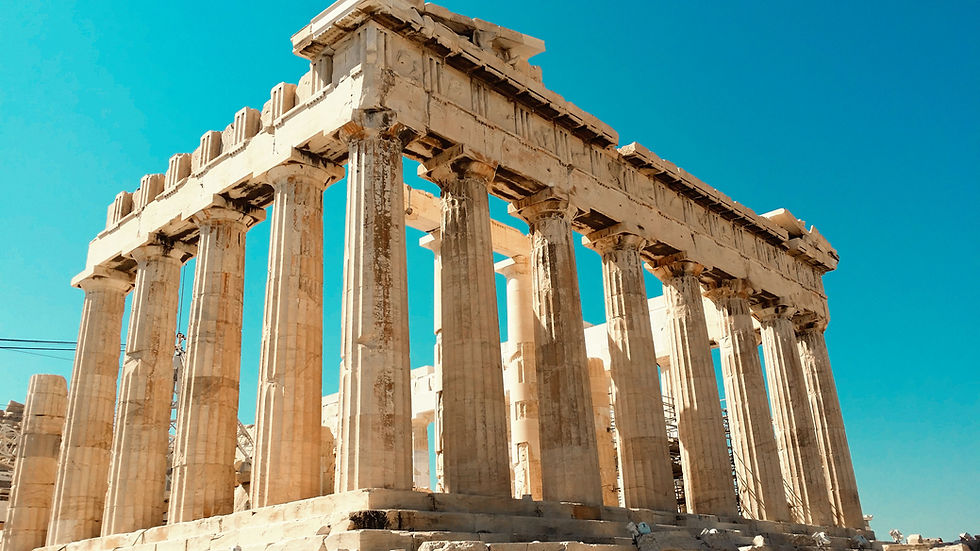
Understanding Greece’s Travel Seasons
Greece experiences four distinct seasons, each offering unique advantages for travelers.
Peak Season: June Through August
Summer is Greece at its most vibrant. Warm temperatures, bustling waterfront tavernas, lively nightlife, and endless sunshine attract visitors from around the world.
Average temperatures range from the mid-80s to mid-90s Fahrenheit, particularly on the mainland and southern islands.
During this time, visitors can enjoy:
Ideal beach weather
Frequent ferry schedules between islands
Vibrant nightlife and festivals
Long daylight hours for sightseeing
However, peak season also brings:
Higher hotel and airfare prices
Larger crowds at major attractions
Busy beaches and ferry ports
Hot temperatures in cities like Athens
For travelers seeking the classic Greek island experience, summer remains one of the best times to visit Greece.
Spring: Greece’s Hidden Gem
March through May is one of the most underrated times to visit Greece.
As wildflowers bloom across the countryside and temperatures become pleasantly warm, travelers enjoy a more relaxed experience before the summer rush arrives.
Spring offers:
Comfortable sightseeing temperatures
Fewer crowds at archaeological sites
Lower hotel rates
Beautiful landscapes and blooming flowers
Athens, Delphi, Meteora, and the Peloponnese are particularly enjoyable during spring. Travelers can explore ancient ruins without the intense summer heat while experiencing authentic local life.
Many seasoned travelers consider April and May the best time to visit Greece for cultural exploration.
Fall: Warm Seas and Smaller Crowds
September through early November offers a wonderful balance between excellent weather and fewer tourists.
The summer crowds begin to disperse, but the sea remains warm from months of sunshine. Many travelers find this period to be the perfect compromise.
Benefits of visiting Greece in the fall include:
Pleasant temperatures
Warm swimming conditions
Reduced crowds
More availability at luxury hotels
Beautiful sunsets and coastal scenery
September is especially popular among experienced travelers who want all the advantages of summer without the busiest crowds.
For many visitors, fall represents the true best time to visit Greece.
Winter: A Different Side of Greece
While many travelers focus on Greece's islands, winter reveals another side of the country.
From December through February, Athens becomes quieter, archaeological sites are less crowded, and mountain villages offer cozy escapes.
Winter travel is ideal for:
History enthusiasts
Budget-conscious travelers
Cultural experiences
Food and wine exploration
Although many island resorts close for the season, destinations such as Athens, Thessaloniki, Nafplio, and the mountain regions remain active and welcoming.
Winter may not be ideal for beach vacations, but it offers authentic experiences often missed during busier months.
Best Time to Visit the Greek Islands
The Greek islands are among the country's biggest attractions, but timing can significantly impact your experience.
Santorini
Santorini shines from late April through October.
For stunning weather and fewer crowds, consider visiting in May, early June, September, or October. These shoulder-season months offer beautiful sunsets, comfortable temperatures, and easier restaurant reservations.

Mykonos
Known for its nightlife and beach clubs, Mykonos is most active from June through August.
Travelers seeking a more relaxed atmosphere may prefer May, September, or early October when the island retains its charm without peak-season crowds.

Crete
As Greece’s largest island, Crete enjoys a longer season than many other islands.
Visitors can comfortably explore Crete from April through November, making it one of the most versatile destinations in Greece.

Rhodes
With over 300 days of sunshine annually, Rhodes offers excellent weather from spring through late fall.
Its rich history, beaches, and medieval architecture make it a favorite destination for travelers throughout much of the year.

Greek Islands Weather by Season
Understanding Greek islands weather can help you select the perfect travel window.
Spring (March–May)
Temperatures: 60–75°F
Blooming landscapes
Mild conditions for sightseeing
Cooler sea temperatures
Summer (June–August)
Temperatures: 80–95°F+
Excellent beach weather
Warm swimming conditions
Peak tourist season
Fall (September–November)
Temperatures: 65–85°F
Warm seas
Fewer crowds
Comfortable evenings
Winter (December–February)
Temperatures: 50–65°F
Quiet atmosphere
Occasional rainfall
Limited tourism infrastructure on some islands
Best Time for Popular Activities
Beach Vacations
June through September offers the warmest temperatures and ideal swimming conditions.
Island Hopping
May through October provides reliable ferry schedules and excellent weather.
Historical Sightseeing
April, May, September, and October offer comfortable temperatures for exploring archaeological sites.
Honeymoons
May, June, September, and October combine beautiful weather with a more romantic atmosphere and fewer crowds.
Family Vacations
June and early July offer warm weather before the busiest weeks of summer arrive.
Planning Your Greek Adventure
Every season reveals a different side of Greece. Summer delivers iconic island experiences and vibrant energy. Spring and fall offer comfortable temperatures and fewer crowds. Winter provides authentic cultural immersion and excellent value.
The best time to visit Greece ultimately depends on your travel style, priorities, and interests. Whether you're seeking sun-soaked beaches, ancient history, culinary discoveries, or romantic island escapes, Greece offers remarkable experiences throughout the year.
MaCara Travel Can Help!
Choosing the right season is one of the most important decisions when planning a Greek vacation. From selecting the perfect islands to coordinating ferries, accommodations, private tours, and unique experiences, MaCara Travel Co. can help create a customized itinerary designed around your travel goals.
Ready to experience Greece at its very best?
Whether you're planning your first Greek adventure or returning to discover new islands, MaCara’s network of trusted travel advisors can help you design a seamless, personalized journey. Connect with a MaCara advisor today and start planning your unforgettable Greek escape.

Comments