When a “Cheaper” Hotel Will Actually Cost You More

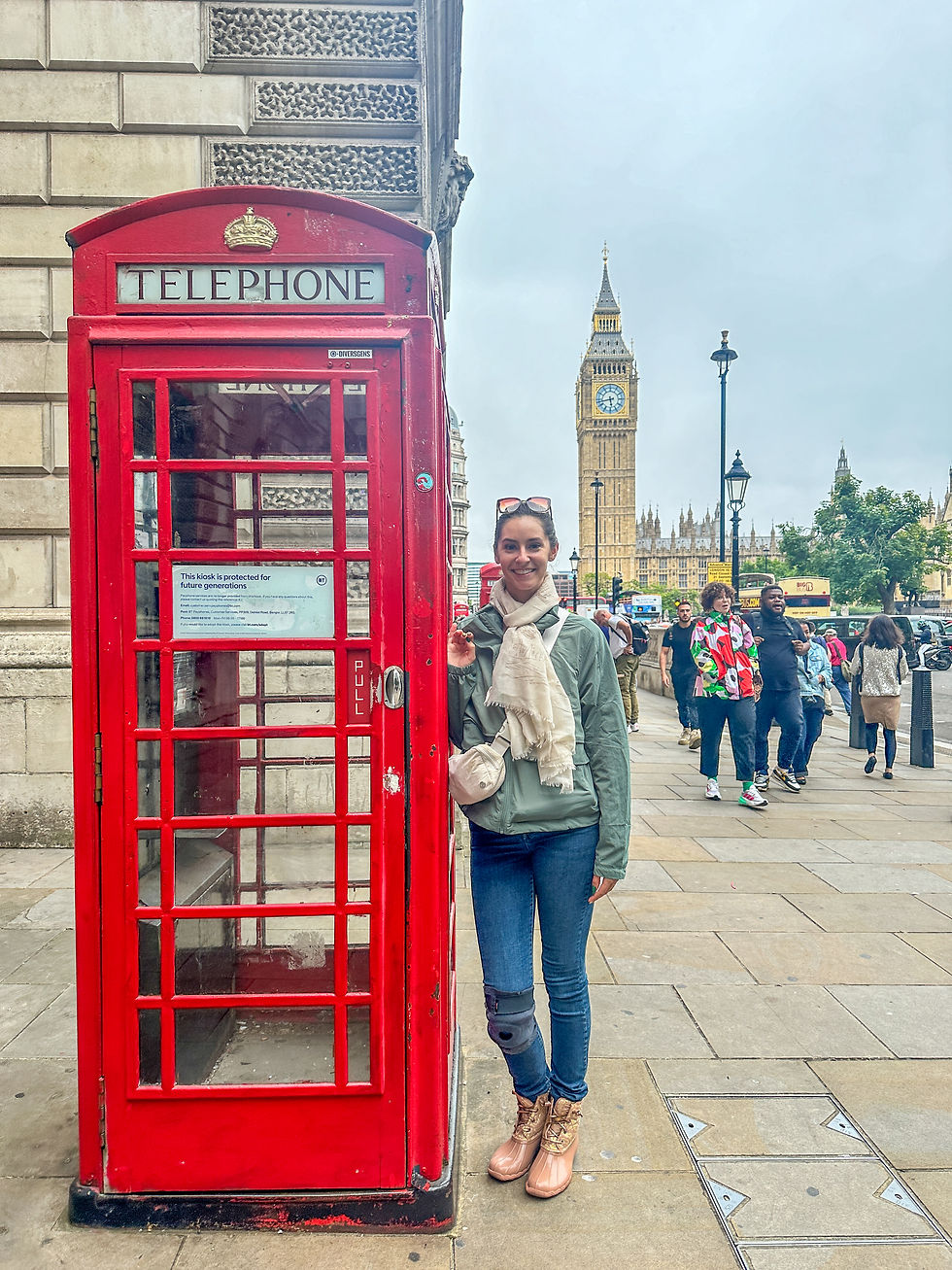
A couple years ago, I was planning my first trip to London with my best friend. We had already spent a good chunk of our budget and were down to just needing to book our London hotel.
The problem we quickly discovered? Hotels in London are expensive.
We really wanted to stay somewhere close to the main attractions, but after looking at the prices in central London, we considered staying outside of the city and commuting in to save some money. Eventually, we found a super cute hotel that felt very British and was quite a bit cheaper. It was about a 30–40 minute ride into central London, and there was an Overground station nearby, so we figured getting back and forth would be easy.
Well...we were wrong. 😅
For starters, the station wasn’t actually close enough that we could just walk out of our hotel and hop on the train. We had to take a bus to the station first, which meant waiting for the bus, riding to the station, and then waiting for the train into London.
And, that was when everything was running normally!
On some days, the line that would get us into central London the quickest was closed, so we had to figure out a different route and take another train instead. Suddenly, that 30–40 minute commute that hadn’t sounded like a big deal when we were planning the trip was taking up a much bigger chunk of our day.
Then, after spending the entire day sightseeing, walking around, eating, and doing everything we had traveled to London to do, we had to make the whole trip in reverse to get back to the hotel.
We saved money on the hotel, but we paid for it with our vacation time.
Location and Transportation
As my London story shows, staying farther away can cost you a lot of time, but depending on the destination, it can cost you actual money too. If you’re relying on taxis, Ubers, or other transportation every day, those additional costs can start eating into the money you saved on the hotel pretty quickly.
A hotel farther away can still be the better value, especially when the price difference is significant or transportation is convenient. Before booking, consider both the money and time it will take to get where you actually want to go. If you only have a few days somewhere, spending an extra hour or more in transit every day can add up to a pretty significant chunk of your vacation.
Added Fees at Checkout and Arrival
Resort fees, destination fees, parking fees, and other mandatory charges can be omitted from the initial price you see online, making a hotel look much cheaper at first glance than it actually is. Some fees may show up later in the booking process, while others are found in the fine print and charged when you arrive at the hotel.
When comparing hotel prices, make sure you are looking at the total cost of the stay, including any fees you will be responsible for paying at the hotel. A hotel that initially looks $50 cheaper per night may not actually save you $50 per night once those additional charges are factored in.
Room Size and Comfort
It is really easy to underestimate how much you will care about your hotel room when you are sitting comfortably at home shopping for hotels.
I try to put myself in travel-Megan’s shoes when I’m booking my own trips.
At-home Megan might look at a cheaper hotel and think, “Who cares if the room is small? I’m barely going to be in there.”
Travel-Megan, after a ten-hour flight and a full travel day, may have some different opinions.
A hard, lumpy bed might suddenly matter a whole lot more. The tiny box shower with terrible water pressure might be pretty annoying when all I want is a hot shower. After several days of living out of a suitcase, I might really wish I had paid a little more for enough space to unpack and spread out.
The length of the stay also changes how much I care about those things. If I’m staying somewhere for several nights, I usually want enough room to settle in a little. I want to unpack, have somewhere to put my things, and feel comfortable coming back to the room at the end of a long day.
Sometimes spending an extra couple hundred dollars over the course of a longer stay is worth it for a room where I know I’ll be more comfortable.
When a Cheaper Hotel Makes Sense
Spending more on a hotel does not automatically make it the better choice. Sometimes the cheaper hotel makes perfect sense for the trip you are taking.
If I’m staying somewhere for one quick night before an early flight, I probably don’t need to spend extra money on a big room or an amazing shower. I’m not going to unpack all the way. I’m probably going to check in, sleep, shower, and leave.
If the shower sucks for one morning, I’ll live!
I would much rather save the money on that particular night and spend it somewhere else on the trip where I’m actually going to appreciate it.
A cheaper hotel can be a great value. The important part is understanding what you are getting for the extra money and what you are giving up to save it.
When you are comparing your options, try to picture yourself actually on the trip instead of sitting at home booking it. Consider how you’ll get around, how long you’ll be staying, what you’ll pay in total, and how much the differences between the hotels will matter once you arrive.
Sometimes saving a couple hundred dollars feels great when you click “book.”
Then travel-you gets there and really wishes at-home you had just spent the damn money. 😅
Want some help making those decisions?
If you’re planning a trip and want help figuring out where it makes sense to spend a little more, where you can save, and which options actually make sense for the way you want to travel, Schedule a complimentary Discovery Call with me here.
We’ll chat about what you have in mind for your trip and whether working together would be a good fit!


Comments